PROTECTING GOOLE'S NATURAL HISTORY FOR FUTURE GENERATIONS
The Wetland
PROTECTING GOOLE'S NATURAL HISTORY FOR FUTURE GENERATIONS
The Wetland
THE WETLAND
The wetlands at Oakhill Nature Reserve in Goole are a network of shallow ponds, marshy areas and damp ground formed from old brick ponds that have naturally filled and regenerated over time. Surrounded by reeds, grasses and other water-loving plants, they create a rich, natural habitat that supports a wide variety of wildlife.
This area has a calm, wild feel, with water, vegetation and open space blending together. It plays an important role in the reserve, helping to support biodiversity while offering visitors a peaceful place to observe nature in a more untouched, natural setting.
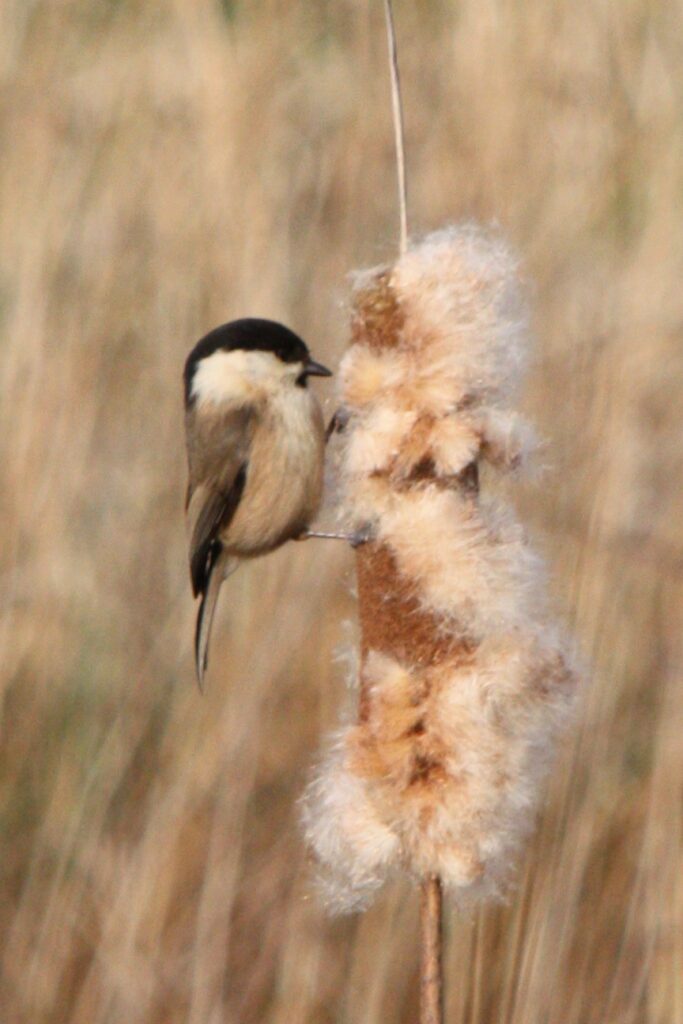
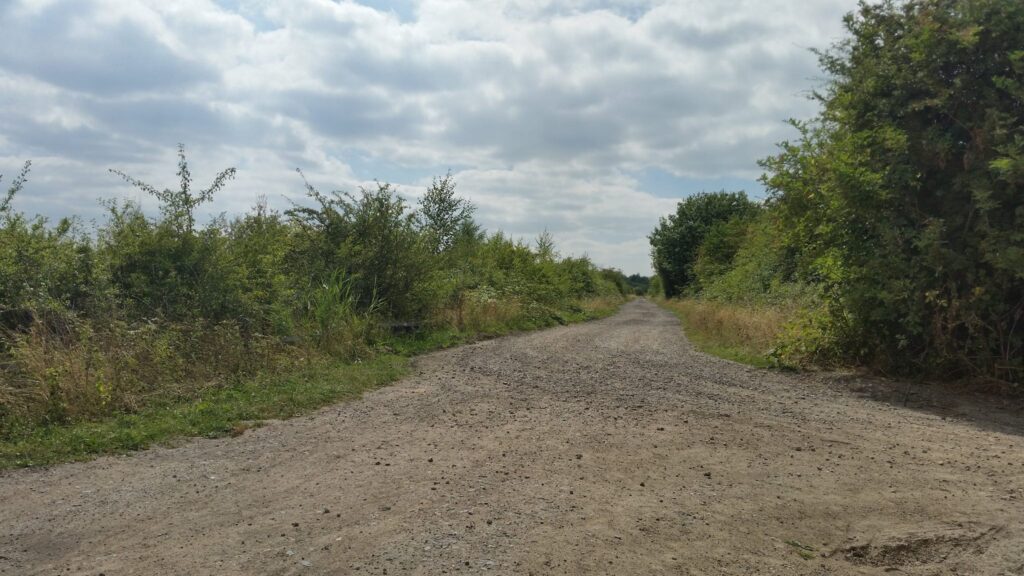
A small wetland area nestled between the site’s two main tracks. Water voles are frequesnt in the ditches in this area, a wall of birdsong from Reed and Sedge Warblers can be heard in the Spring and later in the day Water Rails can often be heard squealing if not seen.
This area is closed to access during the Spring and Summer to allow birds to breed undisturbed.
WHAT YOU'LL NOTICE
The Wetlands at Oakhill Nature Reserve are one of the best areas for wildlife, especially if you enjoy spotting species linked to water and marshy habitats.
The Wetlands attract a wide range of birds including ducks, moorhens and coots on the water. Herons standing still at the edges and reed-loving birds hiding in the vegetation. Swallows and swifts flying low over the water catching insects.
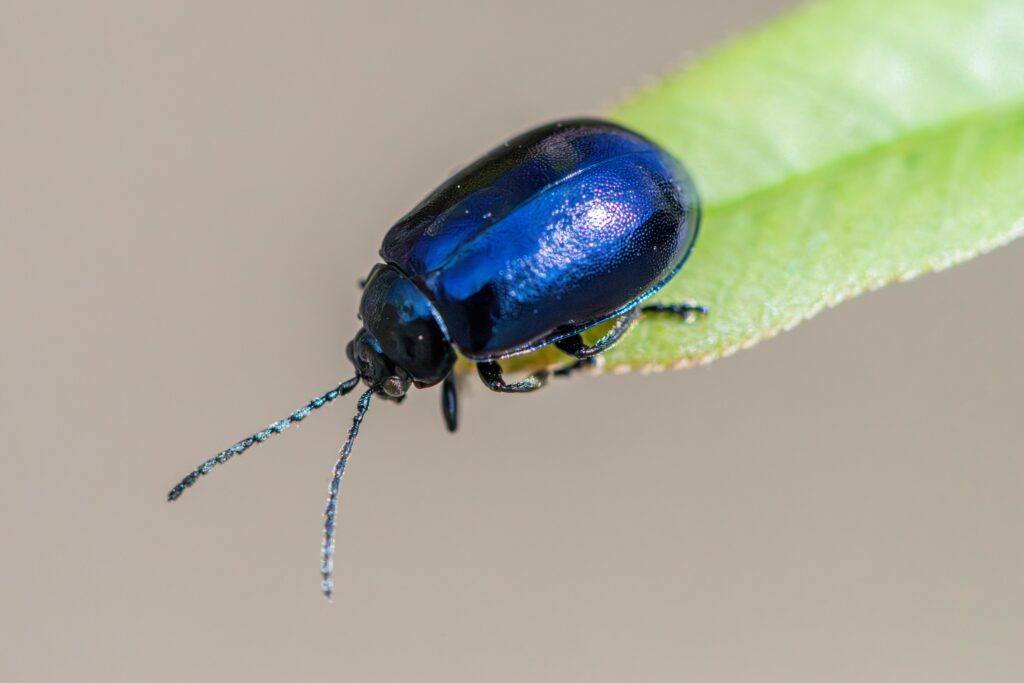
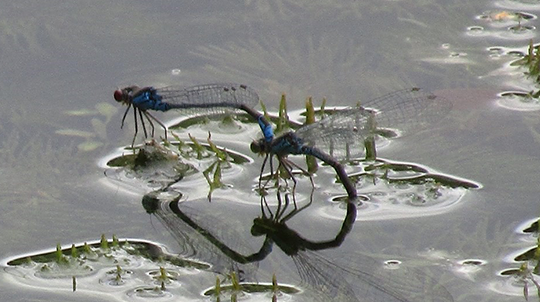
This is a hotspot for insect life, dragonflies and damselflies are seen flying over the water, as well as water beetles and other aquatic insects. Watch out for the midges and mosquitoes in the warmer months though.
The wet conditions make this an ideal habitat for frogs, toads and newts in and around the water. Grass snakes hunting near the edges have also been spotted. Small mammals like voles live along the banks and you will often see bats flying over the water at dusk.
The reeds, rushes and other wetlands plants provide the perfect spot for birds, mammals and insects while the lush aquatic vegetation is the perfect habitat for sustaining rich amphibian life.