PROTECTING GOOLE'S NATURAL HISTORY FOR FUTURE GENERATIONS
New Potter Grange
PROTECTING GOOLE'S NATURAL HISTORY FOR FUTURE GENERATIONS
New Potter Grange
NEW POTTER GRANGE
New Potter Grange, at Oakhill Nature Reserve, is part of the site’s historic landscape, reflecting its rural and agricultural past before the area became industrial and later regenerated into a nature reserve. It was originally a farmstead located on the edge of what is now the reserve, helping give Oakhill its name and identity.
The ground of the former Potter Grange House holds a wider range of mature trees including Orchard species and some of the oldest trees on site.
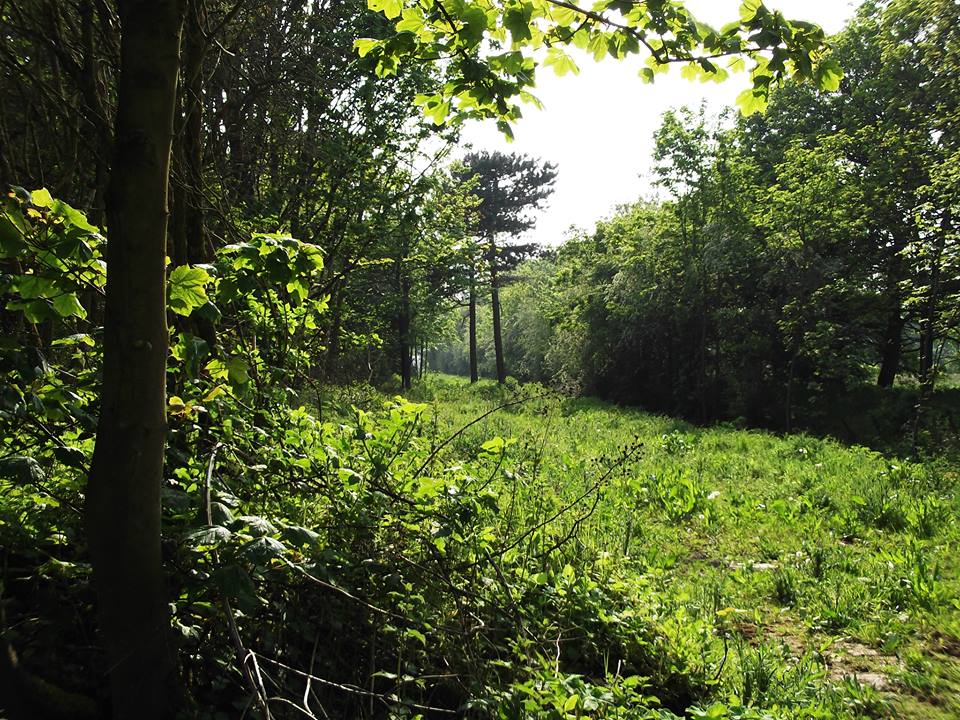
Today, the area around New Potter Grange forms a transition between the natural habitats of the reserve and the surrounding farmland and industry. It has a more open, semi-rural character, with scattered trees, grassland and boundary vegetation, giving a sense of the landscape as it once was.
Overall, it represents an important link between Oakhill’s past and present—where traces of historic farmland sit alongside the evolving natural environment of the reserve.
WHAT YOU'LL NOTICE
New Potter Grang e lies between open farmland and the reserve itself, the wildlife here is a mix of species that use both kinds of habitats.
Skylarks and meadow pipits are often spotted over the open grassland. Finches, sparrows and wagtails feeding in the hedgerows. You might also see swallows and martins in flight or woodland birds near the scrub edges.
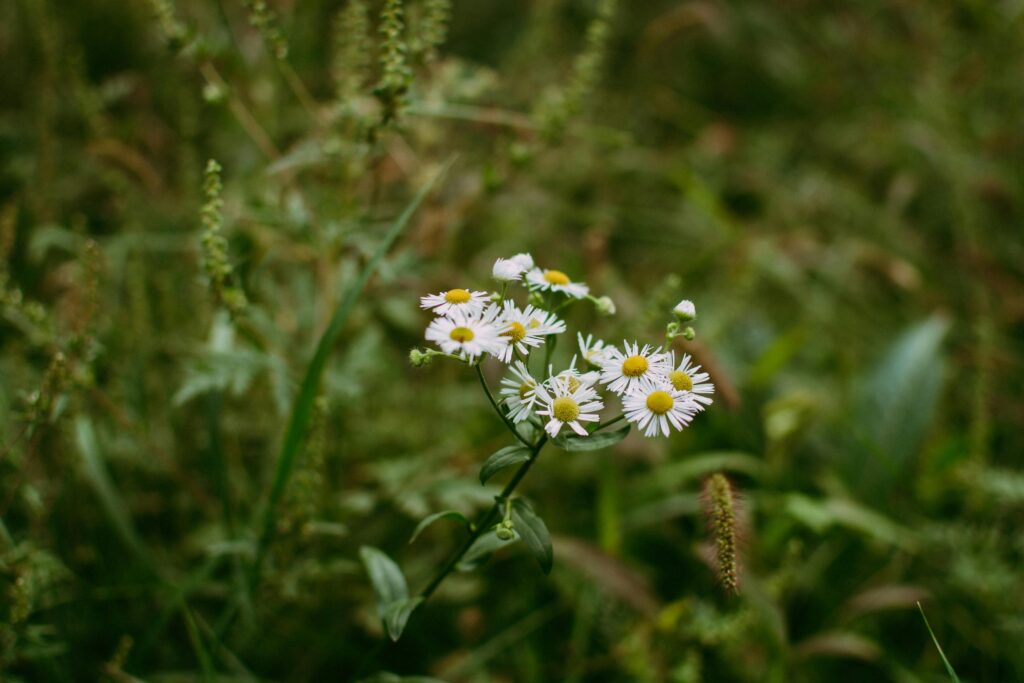
Butterflies and bees visiting wildflowers in the field margins, as well as grasshoppers and other grassland insects in the summer.
Field mice are often spotted in the grass and hedgerows. Hedgehogs are abundant at dusk on their quest to find a tasty meal. Occasionally bats emerge to feed at sunset.
Hedgerows, grass margins and scattered scrub attracts species that use both farmland and reserve habitats. New Potter Grange has become a migratory pathway between open fields and wetter, wooded areas.